ARAAC joins the IASEAI affiliate network
ARAAC has joined the International Association for Safe and Ethical AI (IASEAI) as an affiliate, connecting our collective to a global community working towards safe and ethical artificial intelligence.
 Australian Responsible Autonomous Agents Collective
Pursuing excellence in responsible, aligned, and explainable artificial intelligence
The Australian Responsible Autonomous Agents Collective (ARAAC) is focused on addressing the technical, ethical, and humanitarian challenges posed by the rise of intelligent systems, in particular systems composed of autonomous agents. A cross-institutional collective of AI researchers, our team specialises in Multi-objective Reinforcement Learning, explainability, transparency, and AI safety, building the theory and practice of balancing AI performance and responsibility.
Our mission is to drive innovation while anchoring our discoveries in responsible and ethical practices. We strive to make AI accountable, ensuring its alignment with human interests.
ARAAC has joined the International Association for Safe and Ethical AI (IASEAI) as an affiliate, connecting our collective to a global community working towards safe and ethical artificial intelligence.
Professor Peter Vamplew and Associate Professor Cameron Foale have secured $127,000 from Founders Pledge to advance multi-objective reinforcement learning for safer advanced AI systems.
Associate Professor Peter Vamplew (Federation) and Associate Professor Richard Dazeley (Deakin) were recently added to the Future of Life Institute’s Artificial Intelligence Existential Safety Community (https://futureoflife.org/team/ai-existential-safety-community/).
ARAAC is Australia’s leading research group working with multi-objective reinforcement learning (MORL), a machine learning technique that balances the multiple, often conflicting, objectives for the trade-offs inherent in real-world decision-making.
Building autonomous agents whose behaviour stays aligned with human values and intentions, through safe, ethical, and human-aligned approaches to AI.
Designing AI whose behaviour and decisions can be interpreted, understood, and trusted by the humans who rely on them.
Studying how people and autonomous agents learn from, communicate with, and collaborate with one another, including interactive and human-in-the-loop reinforcement learning, and human-robot interaction.
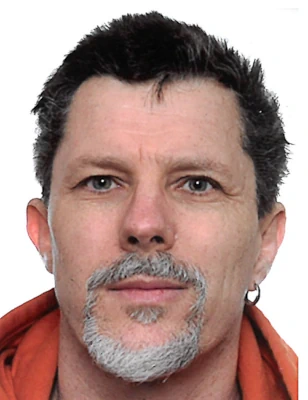
Federation University Australia
Peter is co-founder/co-leader of ARAAC, and a senior member of the Future of Life Institute’s Existential AI safety Research Community. He has played a leading role in establishing multi-objective reinforcement learning (MORL) as a sub-field of reinforcement learning, explicitly designed for problems with multiple conflicting objectives (which describes most real-world problems)

Deakin University
Richard is the Leader of the Machine Intelligence Lab at Deakin University (Geelong), and the Deputy Head of School. He is a leading researcher in the Human-alignment of autonomous agents through Safe, Ethical, Explainable and Interactive methods utilising Multiobjective Reinforcement Learning (MORL) and is a senior member of the AI existential Safety Community
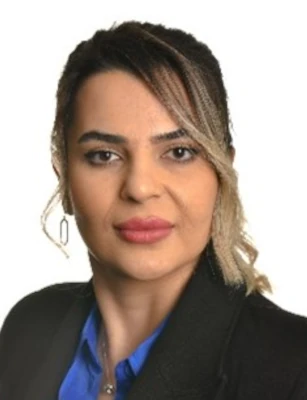
Deakin University
Dr. Bahareh Nakisa is a Lecturer of Applied AI and the course director of Applied AI at School of Information Technology, Deakin University. Bahar’s expertise spans multiple domains, encompassing applied AI, deep learning, computer vision, affective computing, and human-aligned AI in autonomous systems.
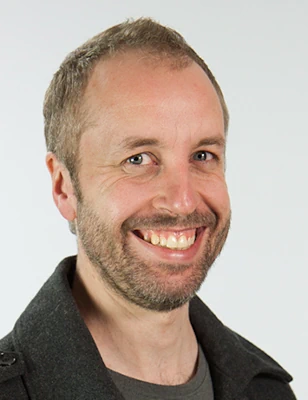
Federation University Australia
Cameron has an interest in building usable, fair, transparent, and scalable connected eHealth systems, and applying AI techniques to time-series data.
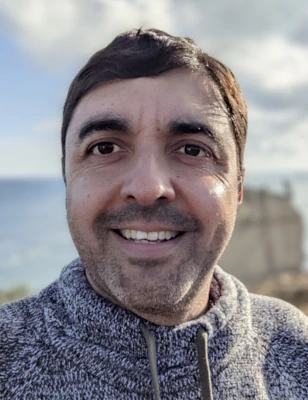
UNSW
Francisco’s current research interests include reinforcement learning, explainable artificial intelligence, human-robot interaction, artificial neural networks, and psychologically and bio-inspired models.
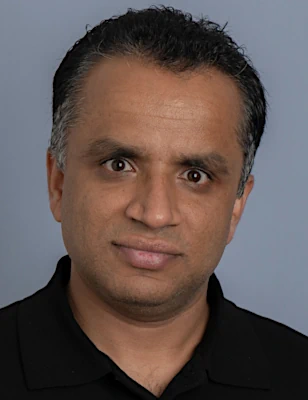
Deakin University
Sunil works in a wide range of areas in ML/AI from similarity measures, anomaly detection, classification, clustering, text/image analysis, ensemble learning, learning from small subsamples of data, and robust/explainable machine learning to autonomous systems.
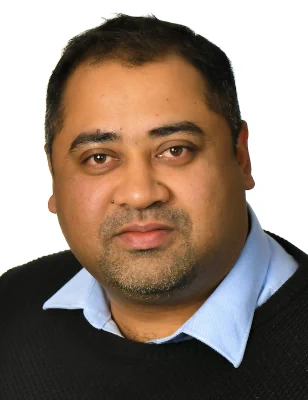
Deakin University
Thommen is a Lecturer at Deakin University. His research interests lie in the field of reinforcement learning, and in improving its sample efficiency by leveraging available context, be it in the form of domain priors, knowledge from humans or other agents in the loop and/or inferring patterns from the environment itself. Overall, his research aims to develop efficient, aligned and practically deployable algorithms.

Deakin University
Adrian Ly received his bachelor’s degree in commerce from the University of Melbourne and a master’s degree in data science from Deakin University. Currently he is completing his Doctor of Philosophy with a focus in reinforcement learning with Deakin University and working in industry as a data scientist.

Deakin University
Haddie is a PhD student at Deakin University (Geelong) and Top-Up Scholarship recipient with CSIRO’s Data61 Robotics and Autonomous Systems Group, with an interest in Human-Machine Collaboration.
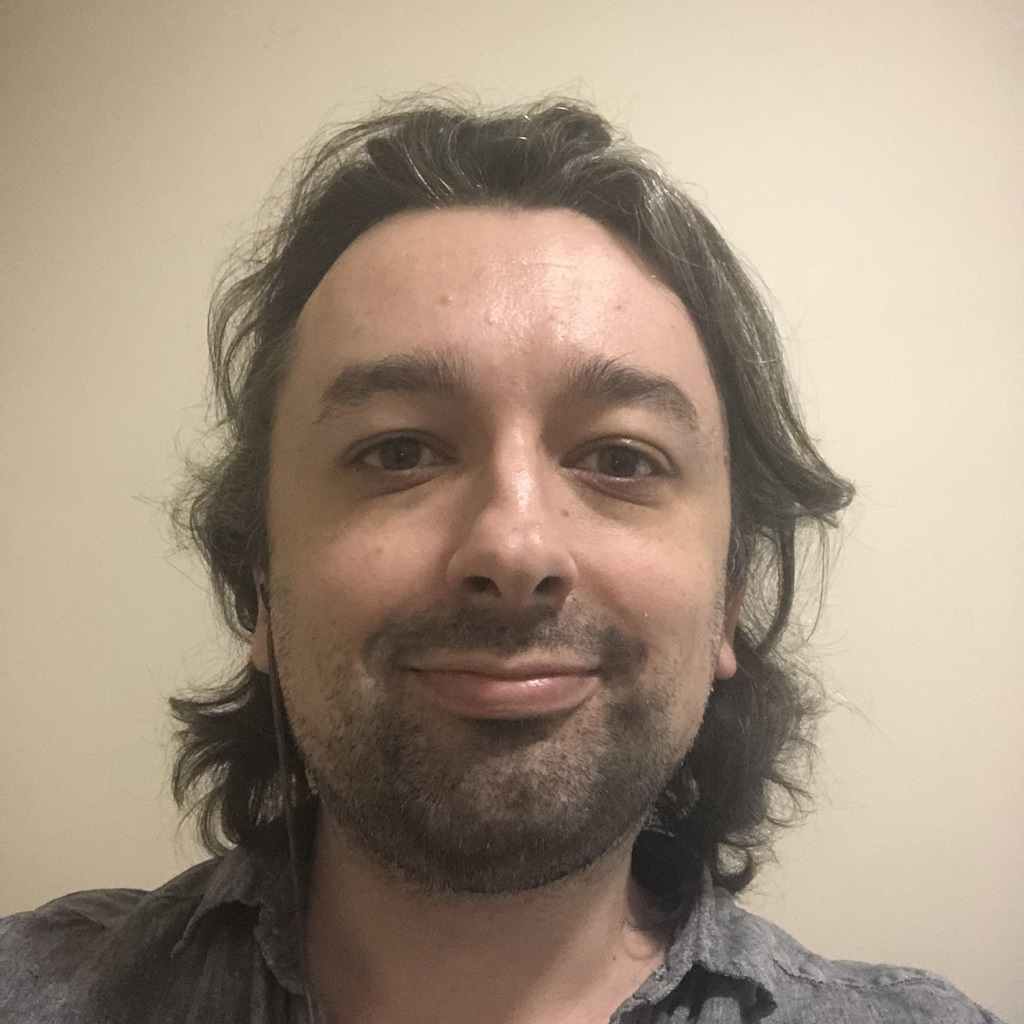
Deakin University
Scott is currently studying for his Honours degree at Deakin University, with a focus on the transfer of safety knowledge between environments using Multi-Objective Reinforcement Learning. He has worked as a research assistant on several ML projects for both Deakin University and Federation University.

Deakin University
Alex is a motivated software engineer with a balanced mix of practical experience and formal qualifications. His research focuses on software development methodologies and ethics for Artificial Intelligence systems.
ARAAC
EJ is a chemist by training but has pivoted his career towards AI safety research to ensure that advances in AI result in human flourishing. He is particularly interested in Reinforcement Learning and is excited to explore the potential of multi-objective approaches to train agents that are better aligned with human goals. He is currently working with ARAAC researchers as an intern.
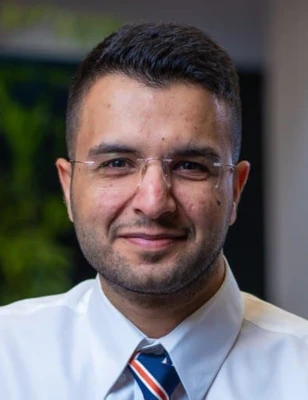
Deakin University
Mahdi was a Research Fellow in Reinforcement Learning at Deakin University from 2022-2023. Mahdi is interested in (deep) reinforcement learning, focusing on both single-agent and multi-agent systems. He strives to contribute to the advancement of responsible AI solutions by developing methods that prioritise fairness and trust without compromising efficiency.

Federation University Australia
Nikolaj studied the use the use of language in Reinforcement Learning. He is primarily interested in model-free reinforcement learning and generalisation in machine learning.

University of Groningen, the Netherlands
Yifei Chen is a Ph.D. candidate at the University of Groningen, the Netherlands. Yifei’s research mainly focuses on fundamental reinforcement learning, especially methods to improve efficiency and reduce the bias of reinforcement learning algorithms. She is also interested in applying her methods to robotics.